

24 April 2026
6 min read
#Workplace Relations & Safety, #Transport, Shipping & Logistics
Published by:

In response to surging fuel prices driven by the conflict in the Middle East, the Fair Work Commission (FWC) has introduced an emergency order that applies to the entirety of the road transport industry, with the exception of the cash-in-transit industry. This captures many unwitting participants in the industry and has left the business community confused as to whether they are required to comply with the emergency order and how to comply.
Effective from 21 April 2026, the Road Transport Contractual Chain Order – Fuel Cost Recovery 2026 (Order) will introduce obligations on participants in road transport contractual chains to protect vulnerable participants from absorbing increased fuel costs. The effect is intended to spread the costs throughout the community, but with the ultimate costs likely to be borne by the larger parties in the chains.
In this article, we unpack the implications of the Order for businesses and other participants in road transport contractual chains, and offer practical steps that parties should be taking to secure compliance with their obligations.
The Order applies to work in the road transport industry as defined in section 15S of the Fair Work Act, except the cash-in-transit industry. This captures the following persons in a road transport contractual chain:
Each of these parties are defined in the Fair Work Act. Generally, primary parties are those at the top of the chain who procure transport services, while secondary parties include intermediaries and subcontractors. Importantly, a primary party will also act as a secondary party when it participates in a subsequent contract that constitutes the next stage in the chain. For a road transport contractual chain to exist, one of the primary parties must be a 'corporation'.
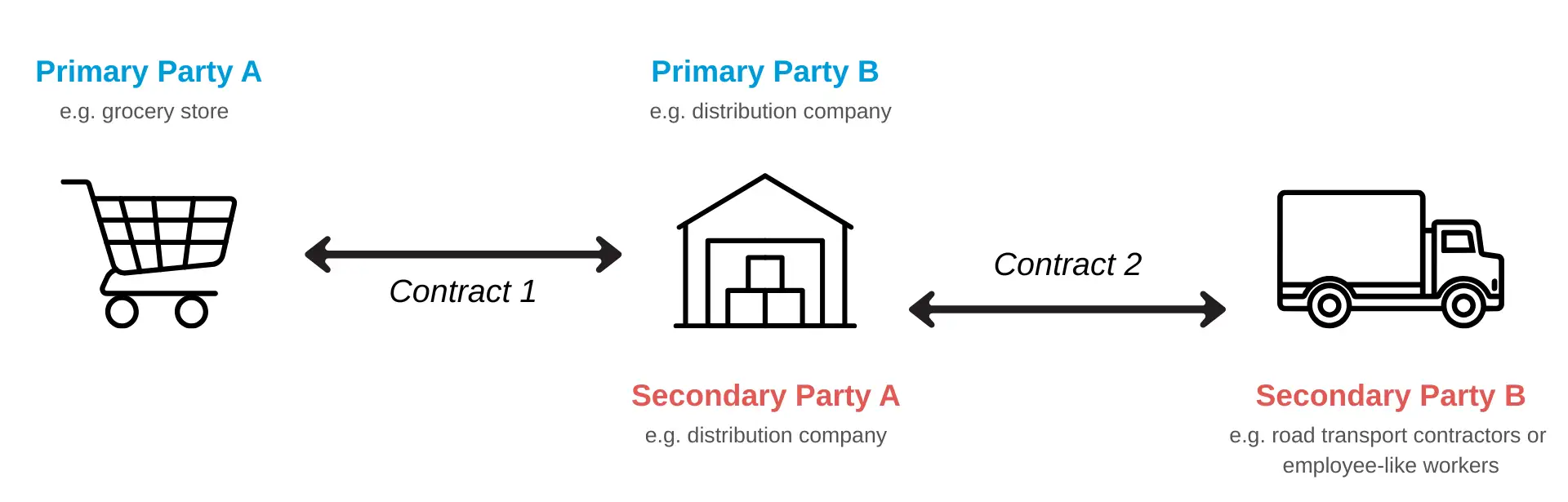
The Order confers obligations on both primary and secondary parties in the road transport contractual chain.
Within each fortnight or twice per calendar month, primary parties must review and adjust the rate they pay to other primary parties for the performance of work in the road transport industry to account for the increased cost of fuel. The increased cost of fuel is defined in the Order to mean the difference between the cost per litre for the type of fuel used to perform the relevant work at any given time and the cost it was as at 6 March 2026.
Secondary parties owe this same obligation to any other secondary party, regulated road transport contractor or road transport employee-like worker further down the contractual chain. Crucially, the rate adjustment obligations on primary and secondary parties apply despite any inconsistent term in an existing contract or arrangement.
Primary parties have an additional obligation to take 'reasonable steps' to ensure that secondary parties engaging road transport contractors or employee-like workers further down the contractual chain comply with their obligations to make necessary adjustments to the rates paid to those contractors or workers. The FWC’s decision makes clear that 'reasonable steps' involve making inquiries and receiving assurance from secondary parties as to how rates have been adjusted to allow for cost recovery. When a primary party is a small business employer (less than 15 employees), they are exempt from this obligation because they are unlikely to have sufficient influence on parties further down the chain.
The Order provides a level of discretion in how primary and secondary parties choose to adjust their rates. The adjustment measures contemplated by the Order include:
Any rate adjustments made prior to 21 April 2026 can be used by primary and secondary parties to satisfy their obligations under the Order.
To address concerns raised by on-demand delivery and rideshare companies, the Order allows rate adjustments to be applied in a standardised way (based on reasonable averaging) across a group of regulated road transport contractors or road transport employee-like workers to reduce the administrative burden on parties.
The Order will cease to operate when the weekly average national terminal gate price for diesel falls below $2.00 per litre. The FWC has acknowledged the urgency with which the Order was passed and the likelihood of unintended consequences because of the broad application. With this in mind, the FWC has committed to review the Order after the first month of its operation, and then every three months thereafter.
Failing to comply with the Order amounts to a breach of section 536NP of the Fair Work Act and exposes the party in breach to civil penalties.
To secure compliance, parties should first ensure they understand where they fall within the road transport contractual chain. Under the Order, parties can be both a primary and secondary party within the chain, meaning they may have obligations to both receive and pass on a rate adjustment.
Businesses and other participants need to take immediate steps to:
If you would like assistance reviewing your contracts, advising on compliance strategies or managing cost pass‑through issues, please contact us below.
Disclaimer
The information in this article is of a general nature and is not intended to address the circumstances of any particular individual or entity. Although we endeavour to provide accurate and timely information, we do not guarantee that the information in this article is accurate at the date it is received or that it will continue to be accurate in the future.
Published by: